By Mike Loughrin, CEO for Transformance Advisors and Mara Irons, Director of Marketing for Transformance Advisors
What Quality Really Means
Many organizations talk a good game when it comes to Quality. Posters go up, slogans get repeated, and leaders say the right things. Yet in practice, Quality still shows up as rework, defects, complaints, and frustration.
Quality isn’t just a slogan, nor is it something you can “audit” at the end of a process. Real Quality is designed into the way work is done. When Quality is treated as separate from work, organizations often focus on inspection, rework, and damage control instead.
To gain a better understanding of Quality, let’s review a few definitions and then explore the concept known as “Cost of Quality.”
“Quality is not an act. It is a habit.”
– Aristotle
Definitions
Oxford English Dictionary
According to the Oxford English Dictionary (OED), Quality is defined as “the standard of something as measured against other things of a similar kind; the degree of excellence of something.” This definition highlights the importance of comparing quality to others within its own category. For example, a candy bar can’t be evaluated in the same terms as a washing machine.
At first glance, the word “degree” might imply an overly precise measurement, such as temperature. However, this definition also encompasses the idea of a range or spectrum. Think of the varying degrees of quality (e.g., low, medium, high) rather than a fixed numerical value.
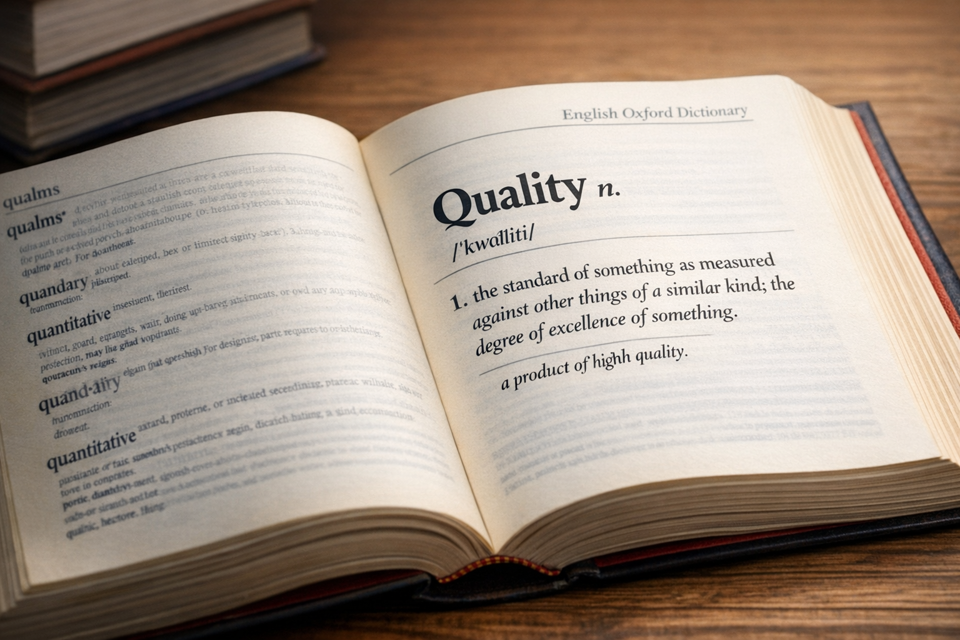
“the standard of something as measured against other things of a similar kind; the degree of excellence of something.”
– Oxford English Dictionary
ISO 1986
The 1986 definition of quality from ISO states that Quality is “the totality of features and characteristics of a product or service that bears its ability to satisfy stated or implied needs.” This definition highlights the importance of considering multiple aspects, including both functional and aesthetic qualities.
It’s worth noting that this definition might be seen as overly broad, particularly when evaluating everyday products. For example, a cheap clock may satisfy the basic need for telling time, but it would not typically be considered high quality due to its limited features and appearance. A more comprehensive understanding of quality would likely include these additional characteristics.
The inclusion of both “products and services” in this definition is also an important consideration. However, when compared to other definitions, such as the OED’s focus on the degree of excellence, it raises interesting questions about the nuances of quality and how they have evolved over time.
“Quality in a service or product is not what you put into it. It is what the customer gets out of it.”
– Peter Drucker
ISO Today
A current definition of quality from ISO states that Quality is “the degree to which a set of inherent characteristics of an object fulfills requirements.” This revised definition shows a welcome shift in focus from the 1986 version.
The use of “inherent characteristics” instead of “totality of features and characteristics” is an interesting distinction, but it’s not immediately clear what implications this has for understanding Quality. Perhaps we can explore this further in future discussions.
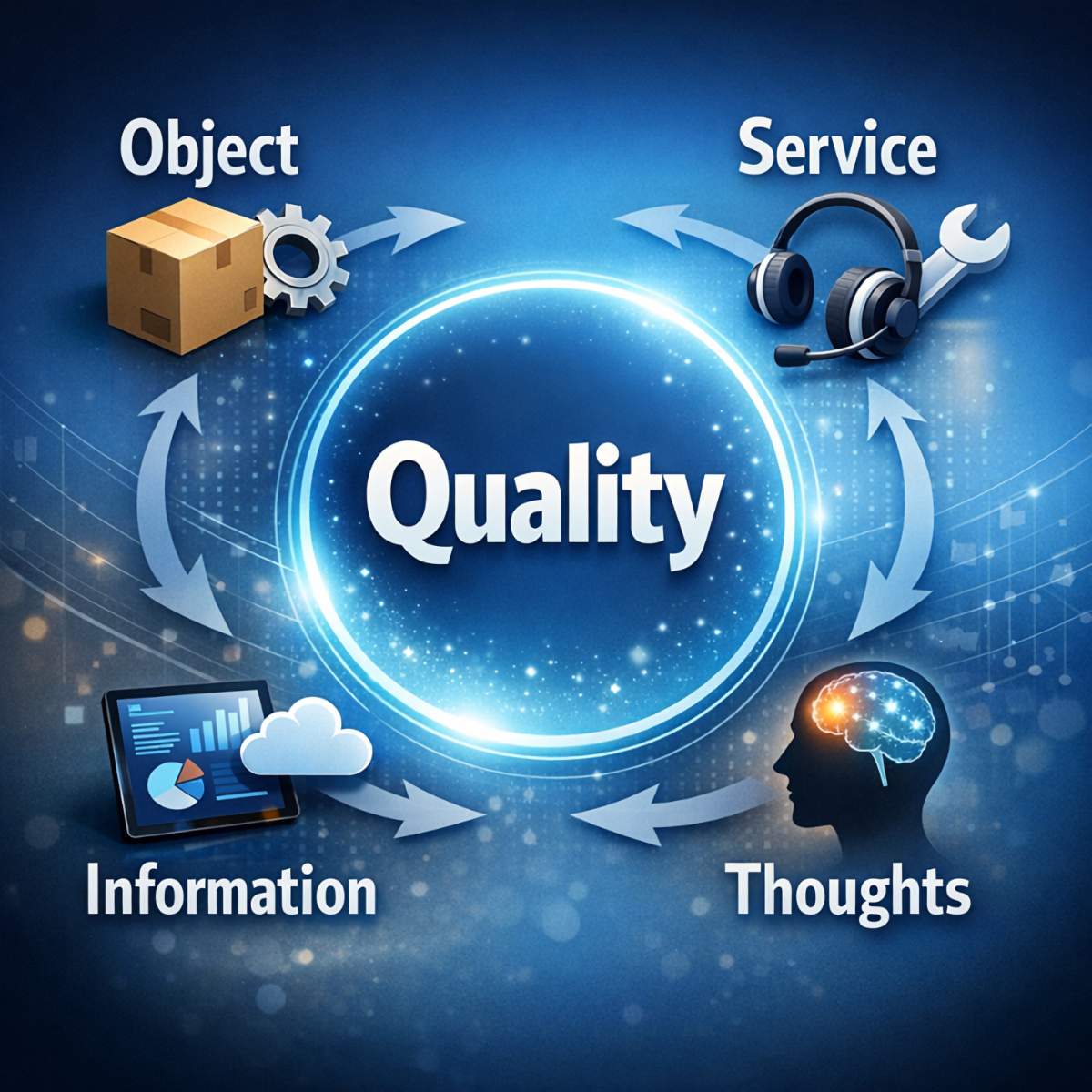
Several aspects of this definition spark questions. The word “object” seems too limiting, as people often discuss the quality of services (e.g., a haircut or heart surgery) and information (such as a demand forecast). Even personal thoughts, like those experienced while hiking, can have varying degrees of quality. While we can’t change the ISO definition, it’s worth noting these omissions.
The phrase “fulfills requirements” is an important consideration in understanding Quality. However, one challenge arises: how do we define and manage changing requirements? For instance, someone’s needs may shift from seeking a fast and cheap lunch to requiring high-quality ingredients or exceptional service.
“The quality of your thinking determines the quality of your life.”
– A. R. Bernard
Bring It Together
While reviewing various definitions of quality, it’s clear that the Oxford English Dictionary’s shorter definition holds more value for understanding Quality. By synthesizing different perspectives, we can distill two key aspects of Quality.
Quality can be understood as:
- “the degree of meeting requirements or expectations.” This highlights the importance of qualifying Quality with a range (e.g., poor to excellent).
- “relative to similar things.” This aspect emphasizes that Quality is not absolute but rather contextual, making comparisons within categories essential.
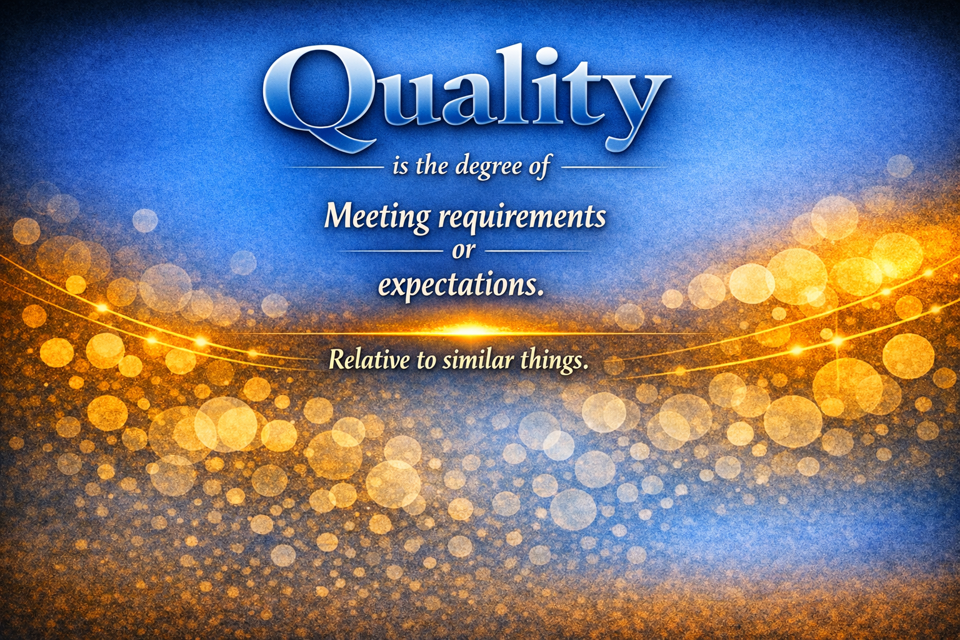
By combining these two aspects, we arrive at a cohesive definition: “Quality is the degree of meeting requirements or expectations, relative to similar things.”
“Quality is everyone’s responsibility.”
– W. Edwards Deming
Cost of Quality
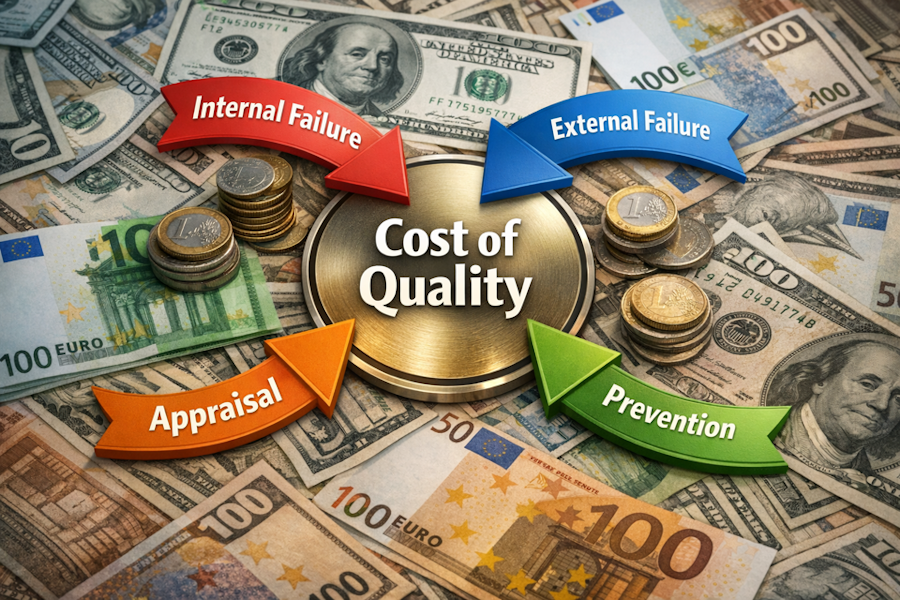
Understanding the cost of quality is a crucial concept for any organization seeking to achieve a high level of Quality. This framework helps organizations evaluate their overall performance and identify areas for improvement.
To apply this concept, it’s helpful to break down the cost of quality into four distinct categories:
- Internal failure
- External failure
- Appraisal
- Prevention
The sum of these four categories is the “Total Cost of Quality”.
Let’s take a closer look at each one.
1. Internal Failure
Internal failures represent costs incurred before a product or service reaches the customer. These include:
- Rework
- Retesting
- Debugging
- Correcting missing or incorrect information
These costs are often hidden because they’re viewed as routine tasks, but they can have a significant impact on an organization’s efficiency and productivity. Internal failures can occur when one department is not meeting the needs of another, resulting in unnecessary delays and expenses.
Common Examples
- Burnt pizza is tossed out and remade
- Job description given to HR has the wrong requirements
- Retesting a failed electronic device
- Sales order has wrong part numbers
- The forecast is late
- Cross-training matrix is not current
2. External Failure
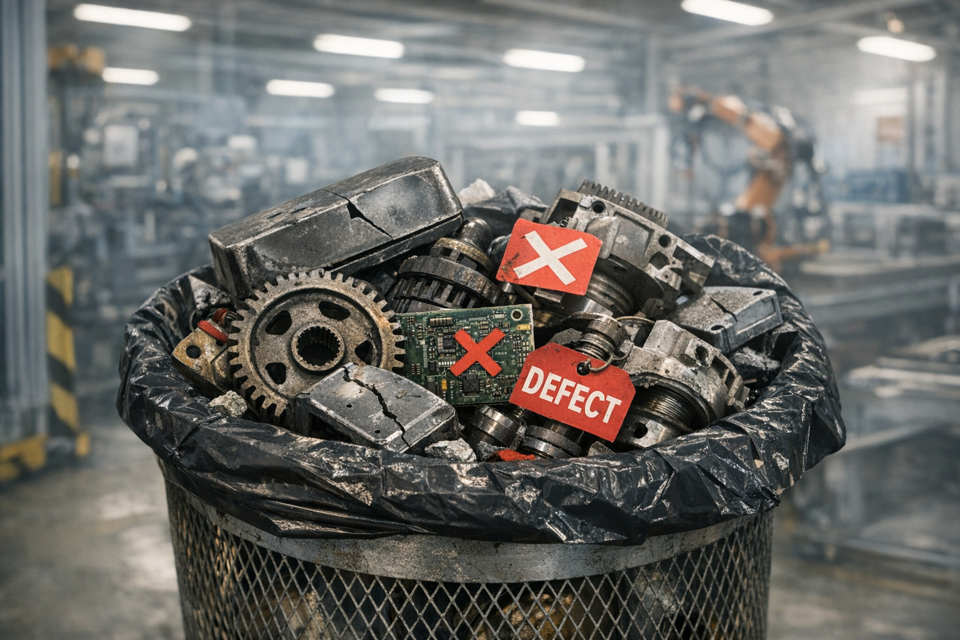
External failures occur after the product or service has been delivered to the customer, resulting in significant costs and potential long-term consequences. These can include:
- Repairs and replacements
- Recalls and warranties
- Legal exposure
- Lost sales and lost customers
One of the most damaging aspects of external failure is the loss of reputation and customer trust. A single negative experience can lead to a permanent loss of business, as many customers seek alternative providers.
Common Examples
- A newspaper is not delivered
- Overcooked food served to a customer
- An incorrect invoice
- A missing part in a kit
- A battery that overheats
- Incorrect test results being reported

3. Appraisal
Appraisal costs encompass all expenses related to inspecting, judging, identifying, and sorting out defects in products or services. This includes labor, material, and overhead costs associated with collecting and analyzing data. These costs are sometimes referred to as “inspection costs” and involve various activities such as:
- Re-counting items that have already been counted
- Inspecting products before they can be used or shipped
- Testing products before use or shipment
- Verifying receipt of materials or goods
Appraisal costs are often more widespread than initially apparent, extending beyond quality inspectors to other roles such as supervisors and administrative personnel. Supervisors may evaluate the work of their team members, while administrators review incoming information for accuracy.
Common Examples
- Counting parts from the storeroom
- Auditing financial statements
- Checking forecasts for reasonableness
- Inspecting hospital rooms after cleaning
- Cycle counting the office supplies
- Measuring or counting lumber at the job site


4. Prevention
Prevention costs involve expenses incurred to reduce defects and improve quality within a service or process. This includes investments in implementing and maintaining quality programs, as well as adopting technology that promotes defect reduction. Examples of prevention costs include:
- Investing in a Six Sigma program
- Installing test equipment
- Providing training courses for employees
- Conducting pre-flight checklists
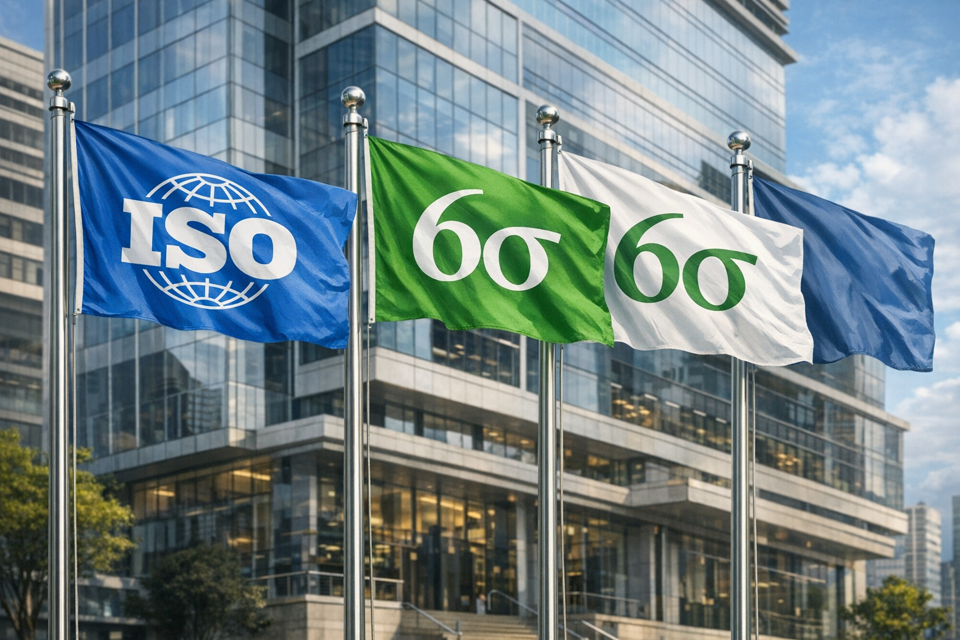
The primary goal of prevention costs is to prevent defects from occurring in the first place, rather than focusing on detecting and correcting them after the fact. The spirit is how as the number of defects is reduced and quality improves, the total cost of quality decreases.
Common Examples
- Implementing an ISO program
- Establishing supplier certification programs
- Investing in Quality Management Systems (QMS)
- Training employees on Standard Operating Procedures (SOPs)
- Implementing Statistical Process Control (SPC) methodologies
- Tracking Overall Equipment Effectiveness (OEE)
“An ounce of prevention is worth a pound of cure.”
– Benjamin Franklin
Summary
In reviewing various definitions of Quality, it becomes clear that they can be distilled to two key aspects. Quality is best understood as:
- “the degree of meeting requirements or expectations.” This highlights the importance of qualifying Quality with a rating from poor to excellent.
- “relative to similar things.” It’s essential to compare the quality of one item to others within the same category.
Combining these two aspects yields a comprehensive definition: “Quality is the degree of meeting requirements or expectations, relative to similar things.”
To further grasp the concept of Quality, consider the four types of costs associated with it:
- Internal failure
- External failure
- Appraisal
- Prevention
These categories provide a framework for understanding the various expenses involved in achieving and maintaining quality within an organization.
Understanding the nuances of Quality is essential for any professional involved in managing or improving processes within their organization. By focusing on these key aspects and costs, individuals can develop effective strategies for enhancing Quality and driving business success.
“Do or do not… there is no try.”
– Yoda
Mike Loughrin

Mike Loughrin is the CEO and Founder of Transformance Advisors. He also teaches for Louisiana State University Shreveport and is on the board of directors for the Association for Supply Chain Management Northern Colorado.
Mike brings exceptional experience in industry, consulting services, and education. He has directed several Lean Transformation programs and has helped organizations such as Levi Strauss, Warner Bros., Cabela’s, Constellation Brands, Lexmark, CoorsTek, and Sweetheart Cup.
Keeping a commitment to a balanced life, Mike loves downhill skiing, bicycle rides, and hiking in the mountains. See one of his trails of the month at: Little Switzerland.
Mara Irons

Mara Irons is the Director of Marketing at Transformance Advisors. She specializes in crafting compelling content and conducting research to ensure community relevance. With a background spanning education, transportation, digital marketing, health, and nonprofit sectors, Mara brings diverse expertise to her role.
Driven by a passion for assisting small businesses in the digital realm, Mara delivers innovative solutions and fosters meaningful connections.
Outside of work, she loves exploring the outdoors with her dog, Indi. However, if it’s cold or raining, you can find her on the couch watching true crime documentaries with a glass of wine.
To learn more about Mara, visit her LinkedIn profile.
Want More?

Critical to Quality
What is Six Sigma?
Ultimate Guide to Six Sigma Belts
Root Cause Analysis
Quality Disaster at Pet Store
Subscribe to our newsletter
References
Quality management: The path to continuous improvement by ISO.
Cost of Quality (COQ) by Quality-One International.